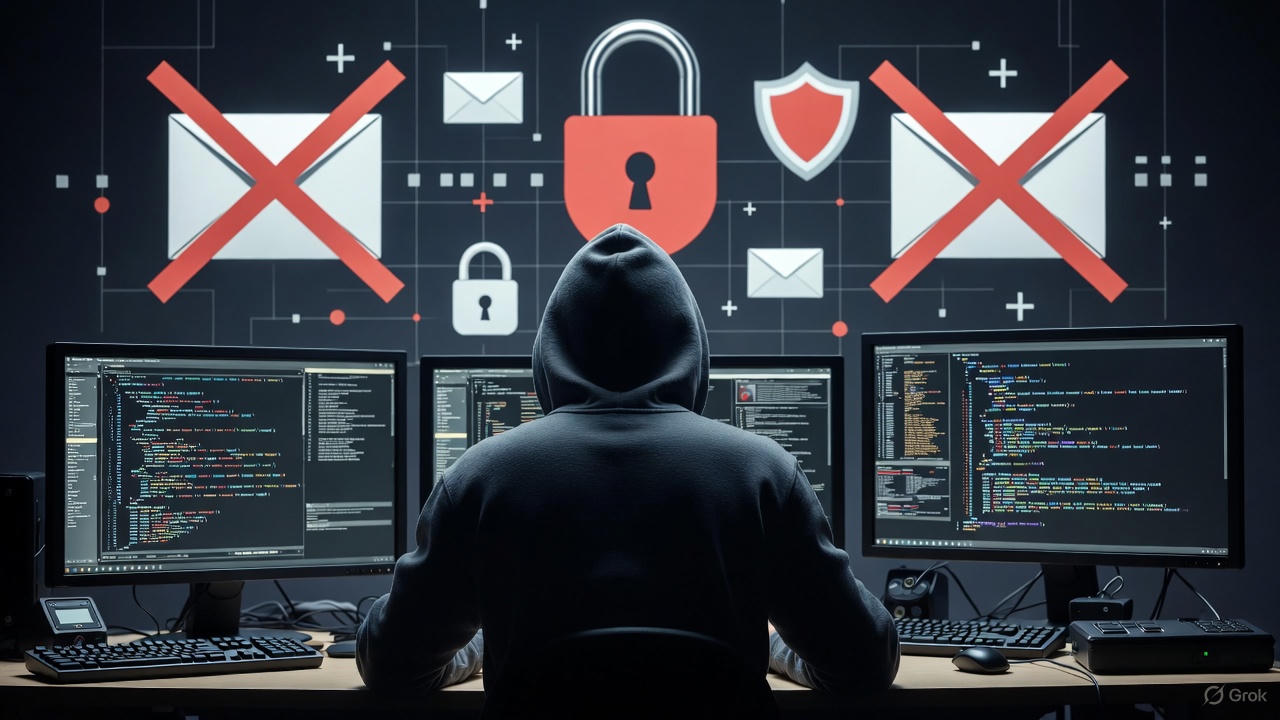
Every day, trillions of emails fly across the globe. For businesses, email is indispensable—but for hackers, it’s the digital equivalent of an unlocked front door. More than 90% of successful cyberattacks begin with an email. In this post, we’ll look at why email remains the number-one entry point for cybercriminals and what your organization can do right now to lock it down.
What Makes Email So Attractive to Attackers?
Three simple truths explain why email tops every hacker’s target list:
- Universal Access – Virtually every employee, vendor, and customer has an email address you can reach.
- Direct Delivery – Emails land straight in the inbox, often slipping past perimeter defenses.
- The Human Factor – No firewall can stop someone from clicking a convincing link when they’re rushed or curious.
Real-World Damage: The 2024 Wexford County Ransomware Attack
On Election Day 2024, Wexford County, Michigan, home to the city of Cadillac, was hit by a ransomware attack from the “Embargo” group. The breach crippled county computer systems for months, severely disrupting the Register of Deeds office and halting property transactions. Residents faced major delays in home sales and title transfers while officials rebuilt a decade’s worth of records, underscoring how one compromised email can paralyze local government services.
How Attackers Weaponize Psychology
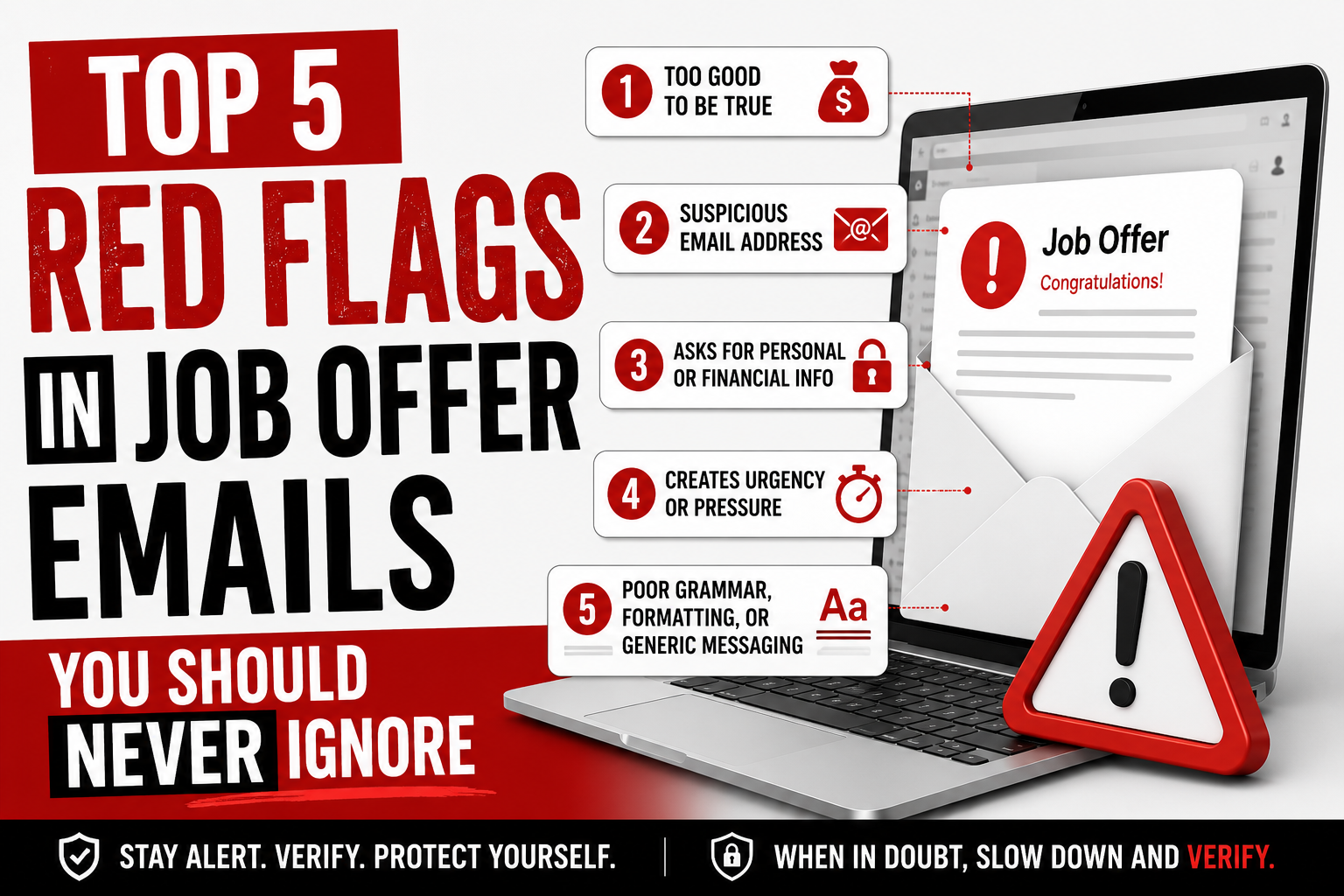
Modern phishing isn’t about bad grammar anymore. Today’s scams are psychologically engineered:
- Urgency (“Payment overdue – act now or face penalties!”)
- Authority (“CEO approval required – wire funds immediately”)
- Familiarity (spoofed emails from colleagues or well-known brands)
- Greed or curiosity (“You’re pre-approved!” or “Important document inside”)
Classic example: Fake Microsoft 365 alerts that look 100% legitimate and lead to credential-harvesting pages.
The Most Common Email-Borne Threats in 2025
- Traditional Phishing – Broad attempts to steal credentials or data.
- Spear-Phishing & Whaling – Hyper-targeted attacks on specific employees or executives.
- Business Email Compromise (BEC) – Fraudulent wire transfers or data exfiltration (FBI reports over $50 billion lost since 2016).
- Ransomware Deployment – Malicious attachments or links that encrypt your entire network.
- Supply-Chain Attacks via Email – Compromising a smaller vendor to reach bigger targets.
New Twists Keeping Security Teams Up at Night
- AI-Generated Emails – Tools like ChatGPT create flawless, personalized messages in seconds.
- Deepfake Voice & Video – Attackers attach realistic audio/video messages “from the boss.”
- Living-off-the-Land Techniques – Using legitimate tools (OneDrive links, SharePoint files) to deliver payloads.
Why Your Team Is Still the Biggest Risk
Even with the best tech stack, people remain the weakest link because:
- Rushed employees skip verification steps.
- Password reuse across personal and work accounts is rampant.
- Subtle red flags (slightly wrong domain, odd timing) get ignored.
Companies that run regular security awareness training and phishing simulations see up to 70% fewer successful attacks.
The True Cost When Email Defenses Fail
Beyond the ransom or stolen funds, breaches trigger:
- Downtime and lost productivity
- Eroded customer confidence
- Regulatory penalties (GDPR, CCPA, etc.)
- Skyrocketing cyber insurance premiums
Case in point: The 2024 MGM Resorts ransomware attack, which reportedly started with a phishing email, cost the company an estimated $100 million in lost revenue alone.
Practical Steps to Harden Your Email Defenses
To combat email-based threats, businesses need a multi-layered approach to security.
Here are some actionable steps:
- Implement Advanced Email Security Solutions:
- Use AI-driven tools that detect and block phishing attempts.
- Employ email filtering to block suspicious messages before they reach inboxes.
- Enable Multi-Factor Authentication (MFA):
- Even if a hacker steals a password, MFA acts as an additional barrier.
- Regular Employee Training:
- Conduct frequent training sessions on recognizing phishing attempts and other email threats.
- Use simulated phishing exercises to test and improve employee awareness.
- Strong Password Policies:
- Encourage the use of unique, complex passwords and implement a password manager.
- Secure Email Gateway:
- Invest in secure gateways that analyze email traffic for potential threats.
- Backup Critical Data:
- Regularly back up data to ensure business continuity in case of an attack.
- Monitor and Respond:
- Use monitoring tools to detect unusual email activity and respond swiftly to potential breaches.
Quick Email Security Health Check for SMBs
- Have you conducted a recent phishing simulation?
- Is MFA enabled for all email accounts?
- Are employees trained on email security best practices?
- Do you use advanced threat protection tools?
- Is critical data backed up and easily recoverable?
The Future of Email Security
As threat actors become more sophisticated, email security will need to evolve. Here are some emerging trends:
- AI and Machine Learning: Advanced algorithims will better detect and neutralize threats.
- Behavioral Analysis: Security tools will monitor user behavior to identify anomalies.
- Zero Trust Policies: These will minimize access privileges, reducing the potential damage of a compromised email account.
- Encrypted Emails: End-to-end encryption will become standard, ensuring that email contents remain secure.
Conclusion
Email is a hacker’s favorite entry point for a reason: it’s ubiquitous, direct, and vulnerable to human error. However, with a proactive approach that combines advanced technology, employee training, and robust security practices, businesses can significantly reduce their risk. By understanding the tactics hackers use and implementing strong defenses, you can keep your organization’s data and reputation secure.

%20thumbnail.png)
